Beyond the Fairway and the Music: How the Golf Cost Zydeco Festival Encourages Hope and Addiction Recovery
 Recovery from addiction is about more than putting substance use behind you. It is about rediscovering what makes life meaningful, rebuilding relationships, and developing healthy ways to handle everyday challenges. Music, golf, and community experiences can all contribute to this process by creating opportunities for connection, confidence, and personal growth. The Golf Cost Zydeco Festival brings together two enjoyable activities that can inspire a broader conversation about wellness. Beyond the fairway and the music, its themes offer a reminder that addiction recovery can include friendship, creativity, recreation, and renewed hope for the future.
Why Hope and Connection Matter in Addiction Recovery
Addiction can affect physical health, emotional well-being, family relationships, and a person’s sense of identity. Many individuals experience isolation or lose interest in activities they once enjoyed. Even when someone begins treatment, rebuilding a fulfilling life can take time.
Hope is important because recovery involves looking beyond immediate struggles and recognizing that change is possible. Supportive relationships and positive experiences can help individuals feel connected to something greater than their addiction.
Rebuilding Relationships Through Shared Experiences
Community activities offer opportunities to connect with others without making every interaction about substance use or treatment. A golf outing, music event, or local gathering can create a relaxed setting where people share interests and develop friendships.
These connections can be especially valuable for individuals who have experienced isolation. Spending time with supportive people may help rebuild trust, strengthen communication, and create a sense of belonging.
However, not every social environment is appropriate for someone in recovery. Choosing substance-free activities, setting clear boundaries, and attending with a trusted friend can help make social experiences safer and more comfortable.
How Music Can Encourage Emotional Healing
Music has a unique ability to bring people together. A familiar song can stir memories, create comfort, or provide an outlet for emotions that are difficult to express. Live performances also offer shared experiences that can help people feel part of a community.
For individuals recovering from addiction, music can become a positive part of everyday life.
Finding Healthy Ways to Express Emotions
Recovery often requires learning to face feelings that may once have been avoided through alcohol or drugs. Stress, sadness, frustration, and anxiety can be difficult to manage, particularly during the early stages of change.
Music offers one way to explore these emotions. Listening to meaningful songs, learning an instrument, singing, or writing lyrics can encourage self-expression. These activities may also provide a constructive focus during unstructured time.
Consider these simple ways to include music in a recovery routine:
- Create playlists for relaxation, motivation, or reflection.
- Explore an instrument or creative music activity.
- Attend performances in environments that support your recovery goals.
- Share music with friends or family as a way to reconnect.
- Use a favorite song as a reminder to pause and practice healthy coping strategies.
The musical spirit associated with the Golf Cost Zydeco Festival illustrates how shared enjoyment can bring people together. Music is not a replacement for professional mental health treatment, but it can complement a broader approach to emotional wellness.
What Golf Can Teach Us About Personal Growth
Golf is a game of patience, focus, and persistence. Players face unexpected challenges, learn from mistakes, and continue working toward improvement. These qualities also have a place in addiction recovery.
Progress rarely happens in a straight line. Some days feel encouraging, while others bring frustration or uncertainty. Learning to focus on the next positive choice can help individuals keep moving forward.
Developing Confidence One Step at a Time
A missed shot does not mean a golfer has failed. It simply creates an opportunity to adjust and try again. Recovery involves a similar mindset.
Instead of expecting immediate perfection, individuals can focus on manageable goals. Attending a counseling session, reaching out to a supportive person, or completing a healthy activity may seem like a small achievement. However, these choices can build confidence over time.
Golf also provides opportunities for physical activity and social interaction. For people who enjoy the game, regular practice may become a meaningful way to structure free time and develop a new interest.
Of course, golf is only one option. Walking, gardening, swimming, cycling, and other recreational activities can also help people develop healthy routines.
Community Support Helps Strengthen Long-Term Recovery
A supportive community can make a meaningful difference when someone is rebuilding life after addiction. Positive relationships offer encouragement, accountability, and opportunities to share experiences with people who understand the importance of recovery.
Community involvement can also help individuals rediscover their strengths. Volunteering, joining a recreational group, attending music events, or participating in a hobby can create a sense of purpose.
Choosing Supportive People and Environments
Healthy connections respect personal boundaries and encourage positive decisions. Consider spending more time with people who:
- Respect your decision to live substance-free.
- Encourage you to seek professional help when needed.
- Listen without judgment.
- Support your personal goals and interests.
- Help you maintain healthy routines.
It is equally important to recognize situations that may threaten recovery. If an event involves heavy substance use or creates uncomfortable pressure, it is reasonable to decline the invitation or make an alternative plan.
Protecting recovery does not mean avoiding all social activities. It means choosing experiences that support your health and well-being.
Why Professional Addiction and Mental Health Treatment Matter
Music, golf, and community activities can enrich recovery, but they cannot address every aspect of addiction. Substance use disorders may involve physical dependence, emotional distress, trauma, and co-occurring mental health conditions. These concerns often require professional assessment and appropriate treatment.
Understanding Inpatient and Outpatient Care
Inpatient treatment provides a structured setting for individuals who need intensive support, medical supervision, or greater distance from everyday triggers. It can offer an opportunity to focus on stabilization and recovery within a supportive environment.
Outpatient treatment allows individuals to receive professional services while continuing to manage responsibilities at home, work, or school. Depending on the program, services may include individual counseling, group therapy, relapse prevention, and mental health support.
The right level of care depends on each person’s circumstances and clinical needs. A qualified professional can help determine which treatment option is appropriate.
It is especially important to seek medical guidance before stopping alcohol or certain drugs after prolonged use, since withdrawal can involve serious health risks.
A Holistic Approach Recognizes the Whole Person
Lasting recovery involves more than addressing substance use. Physical health, emotional wellness, relationships, personal values, and spirituality can all influence a person’s experience.
A holistic approach considers these different areas while recognizing that each individual has unique needs.
Individualized and Faith-Based Support
Individualized treatment begins by understanding the person behind the addiction. Someone dealing with anxiety, trauma, or depression may need different support from someone whose main challenges involve social pressures or rebuilding family relationships.
A personalized recovery plan may combine professional counseling, medical care, peer support, healthy recreational activities, and continuing care.
For individuals who value spirituality, faith-based support may also provide encouragement and meaning. Prayer, reflection, or participation in a faith community can become part of a recovery routine when these practices align with personal beliefs.
The goal is not to follow a single formula. It is to build a practical plan that respects individual values, addresses mental health needs, and supports long-term well-being.
Practical Ways to Build a Life Beyond Addiction
A healthier lifestyle develops through consistent habits. You do not need to make dramatic changes immediately. Start with activities that feel realistic and enjoyable.
Here are several ways to begin:
- Schedule recreation: Make time for music, golf, walking, or another hobby each week.
- Strengthen supportive relationships: Stay connected with people who encourage your recovery goals.
- Practice stress management: Explore breathing exercises, mindfulness, journaling, or prayer.
- Set achievable goals: Focus on small actions that help you build confidence.
- Maintain professional support: Keep appointments with counselors, treatment providers, or recovery support groups.
- Recognize your triggers: Identify situations that increase stress or cravings and develop a plan for handling them.
- Celebrate progress: Acknowledge positive changes, even when they seem small.
If you experience a setback, avoid treating it as proof that recovery is impossible. Reach out for support, discuss what happened with a qualified professional, and identify the next appropriate step.
Conclusion: Find Hope Beyond the Fairway and the Music
The Golf Cost Zydeco Festival offers an opportunity to reflect on the positive role that music, recreation, and community can play in a healthier lifestyle. Golf can encourage patience and persistence. Music can create opportunities for emotional expression. Supportive communities can help people feel connected rather than alone.
These experiences are most valuable when they complement professional addiction recovery services and mental health treatment. If you or someone you love is struggling with substance use, consider speaking with a qualified treatment professional about individualized care, inpatient or outpatient options, and holistic support that respects personal values.
Recovery is not simply about leaving addiction behind. It is about building a life worth looking forward to, one healthy decision and meaningful connection at a time.
More Than Music and Golf: How the Golf Cost Zydeco Music Festival Inspires Connection and Recovery
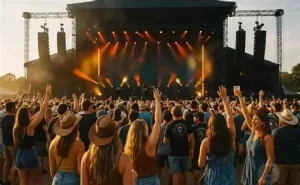 Recovery from addiction is about more than stopping substance use. It is also about rebuilding relationships, finding healthy ways to manage stress, and rediscovering the experiences that make life meaningful. Music, golf, and community gatherings can offer opportunities to reconnect with others and enjoy life without relying on alcohol or drugs. The Golf Cost Zydeco Music Festival brings these themes together in a setting that highlights shared interests and recreation. For people navigating addiction recovery or mental health challenges, these experiences offer a useful reminder that healing can include connection, personal growth, and the joy of participating in everyday life.
Why Connection Matters in Addiction Recovery
Addiction can affect nearly every area of a person’s life. Relationships may become strained, social circles may change, and feelings of guilt or isolation can make it difficult to ask for help. Even after beginning treatment, rebuilding trust and establishing healthy connections may take time.
Positive social experiences can help individuals feel less alone. Spending time with supportive people creates opportunities to practice communication, establish boundaries, and develop relationships that encourage healthier choices.
Building a Support System That Encourages Growth
A strong recovery support system does not need to be large. A few trusted friends, supportive family members, a counselor, or a peer recovery group can make a meaningful difference.
Look for people who respect your recovery goals and encourage you to seek help when needed. Healthy relationships provide room for honesty without judgment. They also help create accountability, especially during stressful periods when old habits may seem tempting.
Community events can be another way to reconnect with others. However, people in recovery should choose gatherings that align with their needs and sobriety goals. Planning ahead and attending with a trusted person can make unfamiliar social situations more comfortable.
How Music Can Support Emotional Wellness
Music has a place in many people’s lives because it can reflect emotions, bring back memories, and create a sense of shared experience. For someone recovering from addiction, it can also provide a healthy activity during moments of stress or loneliness.
A live performance, a favorite song, or learning to play an instrument can offer a positive focus outside the demands of treatment and daily responsibilities.
Finding Healthy Ways to Express Emotions
Recovery often involves learning to recognize feelings that may previously have been avoided through substance use. Sadness, frustration, anxiety, and uncertainty can be difficult to manage, particularly when someone is still developing new coping skills.
Music offers one possible outlet for these emotions. Listening to a meaningful song may encourage reflection, while singing or playing an instrument can provide a creative way to express feelings.
You can make music part of your routine by creating playlists for different moods, exploring a new instrument, or attending performances with supportive friends. The goal is not to use music to avoid difficult emotions, but to create healthy opportunities for expression and enjoyment.
Music is not a substitute for mental health treatment. However, it can complement counseling and other recovery services as part of a balanced approach to emotional wellness.
What Golf Can Teach Us About Recovery
Golf requires patience, focus, and a willingness to keep learning. A round rarely goes exactly as planned, and a missed shot does not have to ruin the rest of the game. Players adjust, learn from mistakes, and concentrate on the next opportunity.
These lessons can be relevant to addiction recovery, where progress often happens gradually rather than all at once.
Learning to Value Progress Over Perfection
People in recovery may put pressure on themselves to repair every relationship, resolve every challenge, and feel better immediately. When progress takes longer than expected, frustration can follow.
Golf offers a simple reminder that improvement comes from practice and persistence. Instead of judging yourself by one difficult day, focus on the choices you can make today.
Recreational activities can also create opportunities to set achievable goals. You might work on a new skill, take regular walks, or schedule time for an activity you enjoy. Each small commitment can help establish structure and reinforce a sense of personal responsibility.
Of course, golf is not the right activity for everyone. Walking, gardening, swimming, cooking, or participating in creative hobbies can offer similar opportunities to practice patience and enjoy healthy recreation.
Recreation Can Help Create a Healthier Daily Routine
Life during active addiction may become organized around obtaining, using, or recovering from substances. Treatment helps individuals begin changing these patterns. After treatment, filling time with meaningful activities can support the development of a more balanced lifestyle.
Replacing Unhealthy Patterns With Positive Habits
Healthy recreation gives people something constructive to anticipate. It can also reduce unstructured time, which may be challenging for individuals who are learning to manage cravings or avoid familiar triggers.
Consider these practical ways to introduce more positive activities into your week:
- Schedule time for music, exercise, or an outdoor activity.
- Choose hobbies that match your interests, abilities, and budget.
- Join a group that shares your interests and respects your recovery goals.
- Make regular plans with people who support your well-being.
- Use journaling, meditation, or quiet reflection to process difficult experiences.
- Discuss stressful situations and potential triggers with your counselor.
Start with manageable changes. A consistent fifteen-minute walk or a weekly creative activity may be more sustainable than a demanding schedule filled with new commitments. Over time, these habits can help make healthy choices part of everyday life.
Addiction Recovery Should Include Mental Health Support
Substance use and mental health concerns can occur together. Anxiety, depression, trauma, and chronic stress may complicate recovery, while substance use can create additional emotional and physical challenges.
For this reason, lasting recovery often requires attention to both substance use and mental well-being.
Choosing the Right Level of Treatment
Inpatient and outpatient care offer different levels of support. Inpatient treatment provides a structured setting for people who need intensive care and greater separation from everyday triggers. Outpatient treatment allows individuals to participate in professional services while continuing to manage responsibilities at home, work, or school.
The most appropriate option depends on personal circumstances, clinical needs, safety, and recovery goals. A qualified treatment professional can help determine which approach is suitable.
Treatment may include individual counseling, group therapy, medical care, relapse prevention planning, and ongoing support. Recreational activities can complement these services, but they should not replace appropriate treatment or medical supervision.
Holistic and Individualized Care Supports the Whole Person
Recovery is personal. Each individual brings different experiences, strengths, challenges, relationships, and beliefs to the process. Effective care recognizes these differences instead of expecting everyone to follow the same path.
Making Space for Personal Values and Spirituality
A holistic approach considers emotional, physical, social, and spiritual well-being. Depending on a person’s needs, a recovery plan may include counseling, healthy lifestyle habits, supportive relationships, creative activities, and opportunities for reflection.
For people whose faith is important to them, prayer, spiritual guidance, or participation in a faith community may provide comfort and a sense of purpose. These options should respect personal beliefs and complement professional addiction treatment.
Individualized care also means adjusting the plan when circumstances change. If a coping strategy stops helping or stress becomes harder to manage, discussing those concerns with a treatment provider can help identify more effective support.
Turning Community Experiences Into Lasting Recovery
A festival, a round of golf, or an evening spent listening to music can be enjoyable in the moment. The broader opportunity is to carry that sense of connection into everyday life.
Choose activities that help you feel engaged, supported, and comfortable being yourself. Notice which environments encourage healthy decisions and which situations create unnecessary pressure. Over time, these observations can help you build a lifestyle that supports your recovery goals.
Remember that setbacks and difficult emotions do not mean you have failed. Recovery is an ongoing process, and asking for additional help is a sign of taking your well-being seriously.
Conclusion: Find Connection and Take the Next Step
The Golf Cost Zydeco Music Festival offers a starting point for thinking about the role of music, golf, and shared experiences in a healthier life. Connection can reduce isolation, recreation can introduce positive routines, and creative activities can offer new ways to express emotions. When combined with professional addiction recovery services and appropriate mental health treatment, these elements can contribute to a more fulfilling recovery journey.
If addiction or emotional distress is affecting your life, consider reaching out to a qualified treatment professional. Ask about individualized care, inpatient or outpatient options, holistic approaches, and support for co-occurring mental health concerns. You do not have to navigate every challenge alone. With appropriate care, supportive relationships, and realistic daily goals, it is possible to build a life that offers greater stability, connection, and purpose.
Building a Healthier Life Beyond Treatment: What Music, Community, and Mindfulness Can Offer in Recovery

Completing addiction treatment is an important milestone, but building a healthier life beyond treatment takes ongoing effort, support, and meaningful daily habits. Recovery is not simply about avoiding alcohol or drugs. It is also about learning to manage stress, rebuild relationships, develop confidence, and discover new sources of purpose and enjoyment. Music, community involvement, and mindfulness can help make this process more rewarding. From enjoying the sounds of a live performance at the Golf Cost Zydeco Music Festival to spending time with supportive friends or practicing quiet reflection, these experiences can complement professional addiction recovery services and support lasting emotional wellness.
Why Life Beyond Addiction Treatment Matters
Treatment can provide essential tools for understanding addiction, managing triggers, and developing healthier coping strategies. However, returning to everyday responsibilities may introduce new challenges. Work pressures, family relationships, financial concerns, and familiar social environments can test a person’s recovery skills.
Continuing to practice healthy habits helps bridge the gap between treatment and everyday life. A well-rounded recovery plan should include professional support, realistic goals, positive relationships, and activities that make life feel meaningful.
Recovery Is About Building, Not Just Avoiding
Avoiding substances is an important part of recovery, but it does not automatically resolve loneliness, anxiety, unresolved grief, or a lack of direction. These concerns deserve attention in their own right.
Building a healthier life means identifying what matters to you and taking practical steps toward it. That might involve returning to a favorite hobby, developing a consistent sleep schedule, reconnecting with family, or learning a new skill. Small improvements can help create a stronger foundation for long-term recovery.
How Music Can Support Emotional Wellness
Music can provide comfort, encourage self-expression, and create opportunities for connection. For people navigating addiction recovery, it can also introduce positive experiences into routines that once revolved around substance use.
A familiar song may help someone relax after a difficult day. Playing an instrument can offer a creative outlet, while attending a live music event can provide a chance to enjoy time with others in a supportive environment.
Finding Expression Through Music
Recovery often involves learning to recognize emotions instead of suppressing them or trying to escape them. Music can help people reflect on feelings that may be difficult to describe.
Consider incorporating music into everyday life in simple ways:
- Create a playlist for relaxation, motivation, or reflection.
- Listen to calming music during a planned break from stressful tasks.
- Explore singing, songwriting, or learning an instrument.
- Attend music events that align with your recovery goals and personal boundaries.
- Share favorite songs with friends or family as a way to strengthen connections.
The Golf Cost Zydeco Music Festival provides a useful example of how music and shared experiences can bring people together. Enjoying music does not replace counseling or treatment, but it can be one part of a balanced lifestyle that makes room for pleasure, creativity, and healthy social interaction.
Community Helps Make Recovery Less Isolating
Addiction can place strain on relationships and leave people feeling disconnected from those around them. After treatment, rebuilding a support network may take time. Community activities can offer opportunities to develop new relationships without making addiction the center of every interaction.
Shared interests, such as music, golf, volunteering, or outdoor recreation, allow people to connect through enjoyable experiences. These relationships can become an important source of encouragement as individuals adjust to life in recovery.
Choosing Relationships That Support Your Goals
Not every social environment is helpful for recovery. Some gatherings may involve alcohol, drugs, or people who do not respect personal boundaries. Learning to recognize these situations is an important part of protecting progress.
Look for relationships that encourage honesty, respect your choices, and support your well-being. Peer recovery groups, family support programs, community organizations, and trusted friends can all provide different forms of connection.
It can also help to plan ahead before attending an event. Consider who will accompany you, how you will handle uncomfortable situations, and whether you have a way to leave if necessary. These preparations allow you to participate more confidently while keeping recovery priorities in view.
Mindfulness Can Help You Respond to Stress
Mindfulness involves paying attention to the present moment without immediately judging what you think or feel. In recovery, this practice can help people become more aware of stress, cravings, and emotional reactions before deciding how to respond.
Mindfulness is not about eliminating difficult thoughts. Instead, it encourages a pause between an experience and the next action.
Simple Mindfulness Practices for Everyday Life
You do not need extensive experience or special equipment to begin practicing mindfulness. A few minutes of focused attention can be a practical starting point.
Try these approaches:
- Practice slow breathing: Sit comfortably and pay attention to each breath for a few minutes.
- Take a mindful walk: Notice your surroundings, the feeling of your feet on the ground, and the rhythm of your movement.
- Pause before reacting: When stress rises, identify what you are feeling and consider your options before responding.
- Focus on one task: Give your attention to a meal, conversation, or simple activity instead of trying to manage several things at once.
- Make time for reflection: Write in a journal, meditate, pray, or spend a few quiet moments reviewing your day.
With regular practice, these habits may help you recognize emotional patterns and make more deliberate choices. Mindfulness is not a substitute for professional treatment, especially when cravings, anxiety, or other symptoms feel overwhelming. It is a skill that can complement a broader recovery plan.
Holistic Recovery Addresses the Whole Person
A holistic approach recognizes that addiction affects more than substance use. Physical health, emotional well-being, relationships, personal values, and daily routines can all influence the recovery experience.
For this reason, addiction treatment may be most helpful when it considers the person’s complete circumstances rather than focusing on one issue alone.
Individualized Care Supports Different Recovery Needs
Every recovery journey is different. Some individuals benefit from the structure of inpatient treatment, particularly when they need intensive support or a stable environment. Others may be suited to outpatient care, which allows them to receive professional treatment while managing responsibilities at home or work.
Depending on individual needs, treatment may include counseling, medical care, mental health services, relapse prevention planning, and continuing recovery support.
Faith-based care may also be meaningful for people who want spirituality to be part of their recovery. Prayer, religious community, and personal reflection can offer a sense of purpose when they align with an individual’s beliefs. These practices should support, rather than replace, appropriate clinical care.
The goal is to develop a plan that addresses personal challenges, builds on existing strengths, and provides realistic steps toward lasting well-being.
Creating Healthy Routines After Treatment
A healthier life is built through repeated choices, not a single major achievement. Establishing a manageable routine can help reduce unstructured time, reinforce positive habits, and make it easier to recognize when additional support is needed.
Start With Small, Sustainable Changes
Rather than changing everything at once, choose a few habits that fit your current circumstances.
For example, you might schedule a daily walk, plan regular meals, attend a recovery meeting each week, or set aside time for a creative activity. You could also reconnect with a supportive friend or establish a consistent bedtime.
Track your progress without expecting perfection. If you miss an activity or have a difficult day, identify what got in the way and decide how to adjust. A setback does not erase the progress you have made.
It is also important to maintain contact with your treatment providers or recovery support network. If cravings become more intense, emotional distress increases, or substance use returns, seek professional guidance promptly. Early support can help you address difficulties before they grow.
Moving Forward With Music, Connection, and Mindfulness
Life beyond treatment can offer opportunities to discover interests, strengthen relationships, and develop a more balanced way of living. Music can encourage expression, community can reduce isolation, and mindfulness can help create space for thoughtful responses to stress. Together, these practices can complement professional addiction treatment and help make everyday life more fulfilling.
If you or someone you care about is struggling with addiction, you do not have to navigate recovery alone. Reach out to a qualified treatment professional to discuss options that fit your circumstances, including inpatient or outpatient care, mental health treatment, individualized support, and holistic approaches. With the right guidance and consistent effort, recovery can become more than a process of leaving substances behind. It can be an opportunity to build a healthier, more connected, and more meaningful life.
From Stress to Strength: How Healthy Recreation Can Support Addiction Recovery and Emotional Wellness
 Addiction recovery involves more than stopping substance use. It also means learning to manage stress, rebuild confidence, strengthen relationships, and develop healthier ways to cope with life’s challenges. Healthy recreation can play an important role in this process by giving people opportunities to relax, express emotions, and rediscover activities that bring meaning to everyday life. From enjoying music at the Golf Cost Zydeco Music Festival to spending time outdoors or playing a round of golf, positive experiences can complement professional addiction treatment and support long-term emotional wellness.
Understanding the Connection Between Stress and Addiction Recovery
Stress can make recovery more challenging, particularly when someone has relied on alcohol or drugs to cope with difficult emotions. Work pressures, family conflict, financial concerns, loneliness, and unresolved emotional pain can all contribute to the urge to return to familiar habits.
Recovery involves learning to recognize these pressures and respond to them in healthier ways. Professional treatment can help individuals understand their triggers, develop coping strategies, and address underlying mental health concerns. At the same time, healthy recreational activities can provide practical opportunities to apply these skills in everyday life.
Why Healthy Coping Strategies Matter
When stress builds, it can be tempting to seek immediate relief through unhealthy behaviors. However, activities such as walking, listening to music, gardening, playing sports, or spending time with supportive people offer alternative ways to manage difficult moments.
These activities do not eliminate life’s problems, but they can help create a more balanced routine. Over time, developing several healthy coping strategies can give individuals more options when emotions become difficult to manage.
How Music Can Support Emotional Wellness
Music can offer a meaningful way to experience emotions without needing to explain everything in words. An uplifting song may improve someone’s mood, while a familiar melody can bring comfort during a difficult day. Live music can also create opportunities to connect with others through a shared experience.
The musical atmosphere associated with the Golf Cost Zydeco Music Festival provides a useful example of how enjoyment, culture, and community can contribute to a healthier lifestyle.
Finding Healthy Ways to Express Emotions
People recovering from addiction may experience sadness, frustration, guilt, anxiety, or uncertainty. Learning to acknowledge these feelings is an important part of emotional growth.
Music can provide a starting point for reflection. Someone might listen to calming music after a stressful day, explore an instrument, join a singing group, or attend a local performance with supportive friends. Creative activities can help make room for positive experiences while encouraging healthier emotional expression.
Music is not a replacement for therapy or mental health treatment. However, when included in a broader recovery plan, it can become one of several useful tools for managing everyday stress.
What Golf and Outdoor Recreation Can Teach Us About Recovery
Golf offers more than physical activity. It also encourages patience, concentration, persistence, and acceptance that progress takes time. These lessons can be especially relevant to people rebuilding their lives after addiction.
A challenging round may involve mistakes, missed shots, and unexpected obstacles. Learning to reset and focus on the next shot can reflect an important recovery principle: one difficult moment does not have to determine what happens next.
Building Confidence Through Small Achievements
Recovery can feel overwhelming when individuals focus only on distant goals. Healthy recreation encourages people to recognize smaller accomplishments, such as completing a walk, learning a new skill, or showing up for a scheduled activity.
These experiences may gradually strengthen confidence and reinforce the value of consistent effort. They also create opportunities to practice patience without expecting perfection.
Outdoor activities can offer additional benefits by introducing movement, fresh air, and a change of environment. People should choose activities that match their physical abilities, interests, and comfort levels. Recreation should support recovery, not become another source of pressure.
Community Support Can Turn Stress Into Strength
Addiction can strain relationships and leave people feeling disconnected from friends, family, or their wider community. Rebuilding supportive connections is therefore an important part of recovery.
Shared activities, including golf outings, music events, group walks, and creative workshops, can make social interaction feel more natural. Instead of focusing every conversation on addiction or treatment, participants can enjoy common interests and develop relationships around positive experiences.
Creating Connections That Encourage Healthy Choices
Supportive relationships can help individuals feel understood and less alone. Friends, family members, peer support groups, and recovery communities may provide encouragement during difficult periods.
However, not every social environment supports sobriety. People in recovery should consider whether an activity or gathering includes substance-related pressures and whether they feel safe attending. When needed, they can bring a trusted person, choose an alcohol-free event, or leave if the environment becomes uncomfortable.
Healthy boundaries are part of emotional wellness. Choosing supportive surroundings is a practical way to protect progress while gradually rebuilding a fulfilling social life.
Why Mental Health Treatment Matters During Recovery
Stress, anxiety, depression, trauma, and substance use concerns can overlap. When emotional difficulties remain unaddressed, they may make recovery more complicated. For this reason, effective care should consider the person’s mental health alongside substance use patterns and individual circumstances.
Inpatient and Outpatient Care Offer Different Levels of Support
The right treatment setting depends on a person’s needs, health, safety, and recovery goals.
Inpatient treatment provides a structured environment with ongoing professional support. It may be appropriate for individuals who need intensive care, a stable setting away from daily triggers, or help managing complex recovery challenges.
Outpatient treatment allows individuals to receive professional services while continuing to manage responsibilities at home, work, or school. Depending on the program, care may include counseling, recovery planning, relapse prevention, and mental health support.
A qualified professional can help determine the most appropriate level of care. For people who may be physically dependent on alcohol or certain drugs, medical guidance is especially important because withdrawal can be dangerous.
A Holistic Approach to Emotional Wellness
Holistic recovery considers more than substance use alone. It recognizes the importance of emotional health, physical well-being, relationships, personal values, and a sense of purpose.
Individualized Care Recognizes That Every Recovery Journey Is Different
There is no single activity or treatment plan that works for everyone. One person may find comfort in music, while another prefers exercise, creative hobbies, nature, or quiet reflection.
Individualized care helps people identify their needs and develop realistic goals. Depending on personal preferences and clinical recommendations, a recovery plan may combine counseling, medical care, peer support, recreational activities, and healthy daily routines.
For individuals who value spirituality, faith-based support, prayer, or participation in a faith community may also provide meaning and encouragement. These options should reflect personal beliefs and complement appropriate professional care.
Practical Ways to Include Healthy Recreation in Your Recovery Plan
You do not need to attend a major festival or take up an expensive hobby to benefit from recreation. Simple, consistent activities can help create structure and make room for enjoyment.
Consider these practical steps:
- Schedule enjoyable activities: Set aside time each week for music, walking, golf, reading, or another healthy interest.
- Start with manageable goals: Choose activities that feel achievable rather than adding pressure to an already demanding routine.
- Connect with supportive people: Invite a trusted friend to join you or explore a recovery group with shared interests.
- Notice your stress triggers: Pay attention to situations that increase anxiety or cravings, and identify healthy activities that may help you respond.
- Practice mindfulness: During a walk, a round of golf, or a musical performance, focus on the present experience instead of worrying about everything at once.
- Protect your recovery boundaries: Choose environments that support your goals and avoid activities that expose you to unnecessary substance-related pressure.
- Discuss your plans with your care team: A counselor or treatment provider can help you incorporate recreation into a broader recovery strategy.
Consistency matters more than perfection. If an activity does not suit you, try something different. The aim is to build a life that supports well-being, not to follow a rigid list of expectations.
Healthy Recreation Complements Professional Addiction Treatment
Music, golf, outdoor activities, and social connection can make recovery more rewarding, but they cannot replace appropriate clinical care. Addiction may involve physical dependence, mental health concerns, and deeply established behavioral patterns that require professional support.
A well-rounded recovery plan combines healthy lifestyle choices with treatment suited to the individual’s circumstances. This may include medical supervision, counseling, inpatient or outpatient services, relapse prevention planning, and ongoing support.
When setbacks occur, they should be addressed with honesty and appropriate help rather than shame. Recovery is a continuing process, and seeking additional support is a constructive step toward protecting health and rebuilding stability.
Conclusion: Take the Next Step Toward a Healthier Life
Moving from stress to strength begins with learning healthier ways to respond to life’s challenges. Music can encourage expression, golf and outdoor recreation can build patience, and supportive communities can help people feel connected. When these experiences are combined with professional addiction treatment and individualized mental health care, they can contribute to a more balanced and fulfilling recovery journey.
If substance use or emotional distress is affecting your life, you do not have to manage everything alone. Consider speaking with a qualified treatment professional about your options, including inpatient care, outpatient counseling, holistic support, or faith-based services that align with your values. With the right guidance and consistent support, it is possible to develop healthier coping skills, rebuild confidence, and make room for meaningful experiences beyond addiction.
When Joy Becomes Part of Healing: Exploring the Role of Music, Connection, and Wellness in Recovery
 Addiction recovery is serious work, but healing does not have to be defined only by struggle. For many people, lasting recovery also means rediscovering joy, rebuilding meaningful relationships, developing healthy interests, and learning how to enjoy life without relying on substances. Music, recreation, community, and wellness can all contribute to that process. The ideas reflected in the Golf Cost Zydeco Music Festival offer an opportunity to consider how positive experiences can support mental health and addiction recovery while complementing professional treatment.
When addiction becomes part of everyday life, healthy sources of enjoyment can gradually disappear. A person may stop participating in hobbies, withdraw from friends, or lose interest in activities that once brought satisfaction. As recovery begins, rebuilding those parts of life can be just as important as addressing substance use itself.
Joy is not a replacement for treatment. However, it can become part of a healthier lifestyle that gives people something meaningful to work toward.
Why Joy Matters in Addiction Recovery
Addiction can affect the brain, body, emotions, relationships, and sense of identity. It can also change how a person experiences pleasure. Activities that once felt rewarding may seem less interesting compared with the immediate effects of substance use.
Recovery creates an opportunity to change that pattern.
Healthy Pleasure Can Support Long Term Recovery
Learning to enjoy healthy activities takes practice. At first, a person may not feel especially excited about going for a walk, listening to music, attending a community event, or spending time with supportive people.
That does not mean these activities have no value.
With consistency, healthy routines can become meaningful parts of daily life. They can provide structure, reduce isolation, and create opportunities for positive experiences that do not depend on alcohol or drugs.
Over time, individuals can begin to recognize that enjoyment and fulfillment can exist without addictive behavior.
Music Can Help People Reconnect With Their Emotions
Music is closely connected to memory and emotion. A familiar song can bring back a meaningful memory, change a person’s mood, or create a feeling of connection with other people.
For someone recovering from addiction, that emotional connection can be valuable.
Music Provides a Healthy Form of Expression
People do not always have the words to explain what they are feeling. Music can offer another avenue for emotional expression.
Listening to meaningful songs, attending musical events, singing, dancing, or learning an instrument can provide healthy ways to engage with emotions.
Of course, music cannot replace counseling or mental health treatment. However, it can complement professional care by giving people opportunities to express themselves and experience positive emotions.
For individuals dealing with grief, stress, anxiety, or other emotional challenges, having several healthy coping strategies can make difficult moments more manageable.
Connection Is a Powerful Part of Healing
One of the most damaging aspects of addiction can be isolation. People may distance themselves from family members, lose friendships, or avoid social situations because of shame and fear of judgment.
Recovery can begin to reverse that isolation.
Community Helps People Feel Seen
Positive community experiences remind people that they are not alone.
Music and recreational activities create natural opportunities for people to interact without making addiction the focus of every conversation. Sharing an interest, watching a performance, playing golf, or simply spending time around supportive people can help individuals develop a stronger sense of belonging.
That matters because recovery is not only an individual process. Healthy relationships can provide encouragement, accountability, and practical support.
A person who feels connected to others may also be more willing to ask for help when challenges arise.
Recreation Can Create Structure and Purpose
Healthy recreation offers more than entertainment. It can help people organize their time and develop routines that support recovery.
This is particularly important during periods when someone is adjusting to life after intensive treatment.
Golf Can Encourage Patience and Focus
Golf provides a useful example. The game requires concentration, patience, and the ability to respond to mistakes without giving up.
Recovery can require those same qualities.
A difficult day does not erase previous progress. A stressful situation does not have to determine what happens next. Instead, individuals can learn to pause, evaluate what is happening, and make a healthier decision.
Recreation can give people opportunities to practice those skills in everyday settings.
Healthy Activities Can Replace Destructive Patterns
Unstructured time can sometimes increase boredom, stress, or exposure to triggers. Developing healthy activities can provide alternatives.
Consider adding activities such as:
- Listening to music when you need a healthy emotional reset.
- Playing golf or another recreational sport.
- Taking regular walks or spending time outdoors.
- Attending community events that encourage positive social interaction.
- Participating in creative hobbies.
- Meeting with supportive friends or family.
- Practicing meditation, prayer, or quiet reflection.
- Joining a recovery support group.
The goal is not to fill every minute of the day. Instead, it is to build a routine that contains meaningful alternatives to substance use.
Mental Health Treatment Is an Important Part of Recovery
Addiction and mental health concerns often overlap. Anxiety, depression, trauma, grief, and other emotional difficulties can complicate substance use and make recovery more challenging.
For that reason, effective addiction treatment should consider the whole person.
Individualized Care Addresses Personal Needs
There is no single recovery plan that works for everyone.
Some individuals may need the structure and stability of inpatient care. Others may benefit from outpatient treatment while continuing to manage work, family responsibilities, or other commitments.
The appropriate level of care depends on individual circumstances and professional assessment.
Individualized treatment can also address co-occurring mental health concerns and help people develop practical coping strategies for the challenges they face outside treatment.
Holistic Healing Looks Beyond Substance Use
Recovery involves more than avoiding drugs or alcohol. Physical health, emotional wellness, relationships, spirituality, recreation, and personal purpose can all influence the quality of a person’s recovery.
A holistic approach recognizes these connections.
Faith Can Provide Meaning and Hope
For people who value spirituality, faith based recovery can be an important source of strength. Prayer, spiritual reflection, fellowship, and other faith practices may help individuals develop hope and reconnect with their values.
Faith should always be approached personally and respectfully. It is one part of a broader recovery plan, not a replacement for professional treatment.
When appropriate, spiritual practices can work alongside counseling, mental health services, healthy recreation, and supportive relationships.
How to Make Joy Part of Your Recovery Plan
Finding joy again does not require making dramatic changes overnight. Small, consistent choices can make healthy living feel more natural.
Start With Activities You Actually Enjoy
Think about what interested you before addiction became a major part of your life.
Maybe you enjoyed music, sports, cooking, gardening, photography, reading, hiking, or spending time with family. You can also try something completely new.
The important thing is to choose activities that feel meaningful rather than activities you think you are supposed to enjoy.
Create Opportunities for Connection
Make time for people who respect your recovery goals. This might include family members, friends, peers, counselors, mentors, or members of a faith community.
If you are experiencing cravings or emotional distress, do not isolate yourself. Reach out to someone you trust or contact a qualified treatment professional.
Keep Expectations Realistic
Joy may not return immediately.
Early recovery can involve uncomfortable emotions, fatigue, uncertainty, and major lifestyle changes. Give yourself permission to experience those feelings while continuing to build healthier routines.
Progress does not require feeling positive every day. It means continuing to make choices that support your well-being.
Joy Complements Professional Treatment
Music, recreation, and community can enrich recovery, but they should not be presented as substitutes for professional addiction treatment or mental health care.
Someone dealing with severe substance use may need medical detoxification, inpatient treatment, outpatient services, counseling, medication support, or specialized mental health treatment.
Professional care provides the structure and clinical expertise needed to address the underlying challenges of addiction.
Healthy recreation can then become part of the lifestyle that supports those treatment goals.
A Healthier Life Has Room for Joy
Recovery is about more than removing substances from a person’s life. It is about creating a life that makes healthy choices worth protecting.
Music can provide emotional expression. Recreation can build structure and patience. Community can reduce isolation. Faith can provide meaning for those who value spirituality. Professional treatment can address addiction and mental health concerns through individualized care.
Together, these elements can help create a broader and more sustainable approach to wellness.
If addiction or mental health challenges are affecting your life, you do not have to determine the right path alone. Inpatient and outpatient programs can provide different levels of support, while holistic, faith based, and individualized approaches can address the unique needs of each person.
Reaching out for help is not a sign of weakness. It is a practical step toward building a healthier future.
There can be music again. There can be connection again. There can be meaningful activities, healthier relationships, and genuine moments of joy.
Recovery is not simply about surviving without substances. It is about learning how to live well.