More Than Music and Golf: How the Golf Cost Zydeco Music Festival Inspires Connection and Recovery
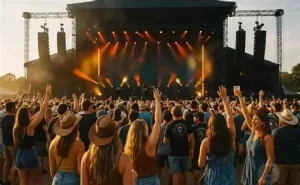 Recovery from addiction is about more than stopping substance use. It is also about rebuilding relationships, finding healthy ways to manage stress, and rediscovering the experiences that make life meaningful. Music, golf, and community gatherings can offer opportunities to reconnect with others and enjoy life without relying on alcohol or drugs. The Golf Cost Zydeco Music Festival brings these themes together in a setting that highlights shared interests and recreation. For people navigating addiction recovery or mental health challenges, these experiences offer a useful reminder that healing can include connection, personal growth, and the joy of participating in everyday life.
Why Connection Matters in Addiction Recovery
Addiction can affect nearly every area of a person’s life. Relationships may become strained, social circles may change, and feelings of guilt or isolation can make it difficult to ask for help. Even after beginning treatment, rebuilding trust and establishing healthy connections may take time.
Positive social experiences can help individuals feel less alone. Spending time with supportive people creates opportunities to practice communication, establish boundaries, and develop relationships that encourage healthier choices.
Building a Support System That Encourages Growth
A strong recovery support system does not need to be large. A few trusted friends, supportive family members, a counselor, or a peer recovery group can make a meaningful difference.
Look for people who respect your recovery goals and encourage you to seek help when needed. Healthy relationships provide room for honesty without judgment. They also help create accountability, especially during stressful periods when old habits may seem tempting.
Community events can be another way to reconnect with others. However, people in recovery should choose gatherings that align with their needs and sobriety goals. Planning ahead and attending with a trusted person can make unfamiliar social situations more comfortable.
How Music Can Support Emotional Wellness
Music has a place in many people’s lives because it can reflect emotions, bring back memories, and create a sense of shared experience. For someone recovering from addiction, it can also provide a healthy activity during moments of stress or loneliness.
A live performance, a favorite song, or learning to play an instrument can offer a positive focus outside the demands of treatment and daily responsibilities.
Finding Healthy Ways to Express Emotions
Recovery often involves learning to recognize feelings that may previously have been avoided through substance use. Sadness, frustration, anxiety, and uncertainty can be difficult to manage, particularly when someone is still developing new coping skills.
Music offers one possible outlet for these emotions. Listening to a meaningful song may encourage reflection, while singing or playing an instrument can provide a creative way to express feelings.
You can make music part of your routine by creating playlists for different moods, exploring a new instrument, or attending performances with supportive friends. The goal is not to use music to avoid difficult emotions, but to create healthy opportunities for expression and enjoyment.
Music is not a substitute for mental health treatment. However, it can complement counseling and other recovery services as part of a balanced approach to emotional wellness.
What Golf Can Teach Us About Recovery
Golf requires patience, focus, and a willingness to keep learning. A round rarely goes exactly as planned, and a missed shot does not have to ruin the rest of the game. Players adjust, learn from mistakes, and concentrate on the next opportunity.
These lessons can be relevant to addiction recovery, where progress often happens gradually rather than all at once.
Learning to Value Progress Over Perfection
People in recovery may put pressure on themselves to repair every relationship, resolve every challenge, and feel better immediately. When progress takes longer than expected, frustration can follow.
Golf offers a simple reminder that improvement comes from practice and persistence. Instead of judging yourself by one difficult day, focus on the choices you can make today.
Recreational activities can also create opportunities to set achievable goals. You might work on a new skill, take regular walks, or schedule time for an activity you enjoy. Each small commitment can help establish structure and reinforce a sense of personal responsibility.
Of course, golf is not the right activity for everyone. Walking, gardening, swimming, cooking, or participating in creative hobbies can offer similar opportunities to practice patience and enjoy healthy recreation.
Recreation Can Help Create a Healthier Daily Routine
Life during active addiction may become organized around obtaining, using, or recovering from substances. Treatment helps individuals begin changing these patterns. After treatment, filling time with meaningful activities can support the development of a more balanced lifestyle.
Replacing Unhealthy Patterns With Positive Habits
Healthy recreation gives people something constructive to anticipate. It can also reduce unstructured time, which may be challenging for individuals who are learning to manage cravings or avoid familiar triggers.
Consider these practical ways to introduce more positive activities into your week:
- Schedule time for music, exercise, or an outdoor activity.
- Choose hobbies that match your interests, abilities, and budget.
- Join a group that shares your interests and respects your recovery goals.
- Make regular plans with people who support your well-being.
- Use journaling, meditation, or quiet reflection to process difficult experiences.
- Discuss stressful situations and potential triggers with your counselor.
Start with manageable changes. A consistent fifteen-minute walk or a weekly creative activity may be more sustainable than a demanding schedule filled with new commitments. Over time, these habits can help make healthy choices part of everyday life.
Addiction Recovery Should Include Mental Health Support
Substance use and mental health concerns can occur together. Anxiety, depression, trauma, and chronic stress may complicate recovery, while substance use can create additional emotional and physical challenges.
For this reason, lasting recovery often requires attention to both substance use and mental well-being.
Choosing the Right Level of Treatment
Inpatient and outpatient care offer different levels of support. Inpatient treatment provides a structured setting for people who need intensive care and greater separation from everyday triggers. Outpatient treatment allows individuals to participate in professional services while continuing to manage responsibilities at home, work, or school.
The most appropriate option depends on personal circumstances, clinical needs, safety, and recovery goals. A qualified treatment professional can help determine which approach is suitable.
Treatment may include individual counseling, group therapy, medical care, relapse prevention planning, and ongoing support. Recreational activities can complement these services, but they should not replace appropriate treatment or medical supervision.
Holistic and Individualized Care Supports the Whole Person
Recovery is personal. Each individual brings different experiences, strengths, challenges, relationships, and beliefs to the process. Effective care recognizes these differences instead of expecting everyone to follow the same path.
Making Space for Personal Values and Spirituality
A holistic approach considers emotional, physical, social, and spiritual well-being. Depending on a person’s needs, a recovery plan may include counseling, healthy lifestyle habits, supportive relationships, creative activities, and opportunities for reflection.
For people whose faith is important to them, prayer, spiritual guidance, or participation in a faith community may provide comfort and a sense of purpose. These options should respect personal beliefs and complement professional addiction treatment.
Individualized care also means adjusting the plan when circumstances change. If a coping strategy stops helping or stress becomes harder to manage, discussing those concerns with a treatment provider can help identify more effective support.
Turning Community Experiences Into Lasting Recovery
A festival, a round of golf, or an evening spent listening to music can be enjoyable in the moment. The broader opportunity is to carry that sense of connection into everyday life.
Choose activities that help you feel engaged, supported, and comfortable being yourself. Notice which environments encourage healthy decisions and which situations create unnecessary pressure. Over time, these observations can help you build a lifestyle that supports your recovery goals.
Remember that setbacks and difficult emotions do not mean you have failed. Recovery is an ongoing process, and asking for additional help is a sign of taking your well-being seriously.
Conclusion: Find Connection and Take the Next Step
The Golf Cost Zydeco Music Festival offers a starting point for thinking about the role of music, golf, and shared experiences in a healthier life. Connection can reduce isolation, recreation can introduce positive routines, and creative activities can offer new ways to express emotions. When combined with professional addiction recovery services and appropriate mental health treatment, these elements can contribute to a more fulfilling recovery journey.
If addiction or emotional distress is affecting your life, consider reaching out to a qualified treatment professional. Ask about individualized care, inpatient or outpatient options, holistic approaches, and support for co-occurring mental health concerns. You do not have to navigate every challenge alone. With appropriate care, supportive relationships, and realistic daily goals, it is possible to build a life that offers greater stability, connection, and purpose.